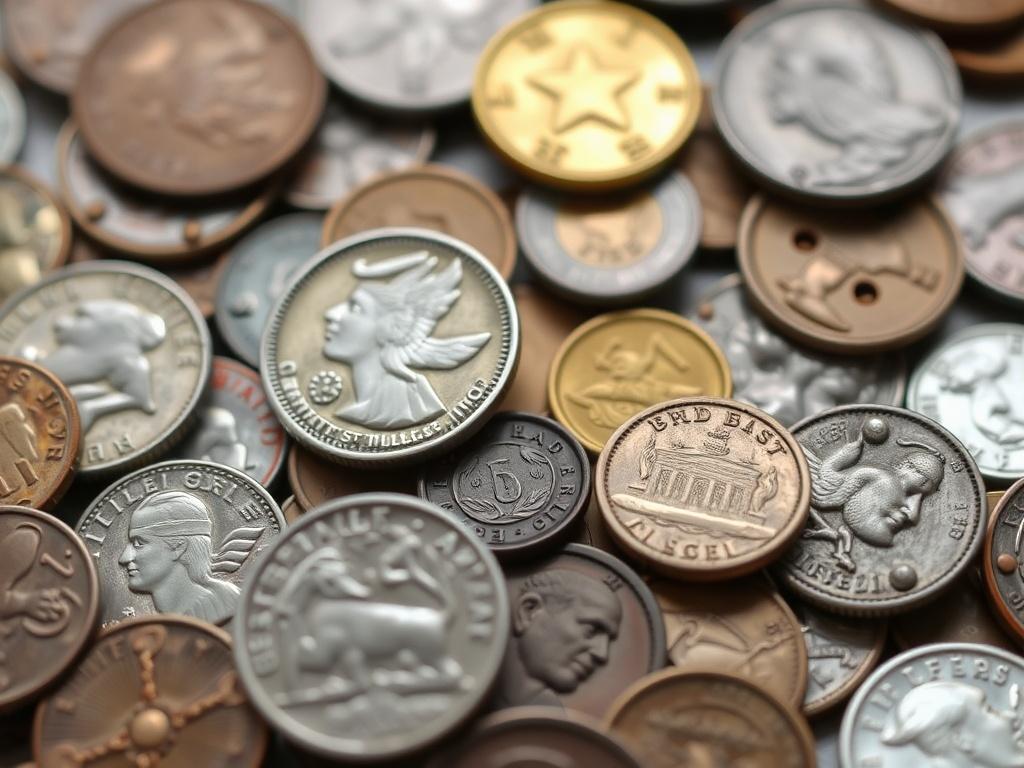
How to Check the Value of Old Coins: A Practical, Step-by-Step Guide
Finding an old coin tucked into a drawer can feel a little like discovering a secret. But before you imagine sudden riches, pause and take a breath. Value doesn’t come from age alone. It comes from a mix of identity, condition, rarity, metal content, documentation, and market demand. This article walks you through a reliable, practical process to assess an old coin’s worth—without jargon or intimidation. Read slowly, follow the steps, and you’ll be able to separate the likely keepsakes from the ones that deserve professional attention.
Step 1 — Identify the Coin: What it is and where it came from
Start by gathering basic facts printed on the best coin identifier app: country, denomination, date, and any mint marks or letters. Sometimes the language or symbols give away the era or region. If obvious markings are worn, use a magnifying glass and good light. Photograph both sides and the edge—the reeding or lettering on the rim can be diagnostic.
Quick identification checklist
- Country or issuing authority
- Denomination and face value
- Date or ruler/portrait
- Mint mark (small letter/image indicating production facility)
- Edge type (reeded, plain, lettered)
If you can’t place the coin visually, compare it to images in a trusted catalog. For U.S. coins, the “Red Book” (A Guide Book of United States Coins) is a standard reference. For world coins, the Krause Standard Catalog of World Coins is invaluable. Online databases and museum collections can also help confirm identity.
Step 2 — Assess Condition: Grading basics
Condition or grade is one of the strongest value drivers. Two identical coins can have dramatically different prices depending on surface wear, scratches, luster, and strike quality. Professional grading uses the Sheldon scale (1–70), but you don’t need to memorize it to get a sense of condition.
| Common Term | Sheldon Range | What to look for |
|---|---|---|
| Good (G) | 1–4 | Heavily worn; major details mostly smooth |
| Fine (F) | 12–15 | Moderate wear; clear outlines of major features |
| Very Fine (VF) | 20–35 | Light to moderate wear; many details visible |
| Extremely Fine (EF/XF) | 40–45 | Minor wear on high points; most devices sharp |
| About Uncirculated (AU) | 50–58 | Traces of wear; remnants of mint luster |
| Mint State (MS) | 60–70 | No wear; varying levels of contact marks and brilliance |
Look for signs that lower value: cleaning (unnatural hairlines or scratches), corrosion, holes or drilling, and repairs. Conversely, preserved original luster, sharp strike details, and attractive toning can raise interest among buyers.
Step 3 — Determine Rarity and Historical Context
Rarity isn’t just about how few were made. Survival rate, variants (errors, different mint marks), and desirability also matter. A coin struck in huge numbers can be rare in high grades if most examples were melted or heavily circulated.
To estimate rarity, search reference catalogs for mintage figures, but also check auction archives to see how often the exact date/variant appears for sale. Notes in catalogs about historical events—war, hoarding, or melting campaigns—explain why an otherwise common coin might be scarce today.
Step 4 — Check Metal Content and Melt Value
Some old coins are valuable because of their metal: gold, silver, platinum. For bullion-based value, calculate melt value by multiplying the coin’s precious metal weight by the current spot price. Important: collectible value often greatly exceeds melt value, especially for rare or high-grade pieces.
| Metal | Typical Indicators | What to check |
|---|---|---|
| Gold | Yellow color, non-magnetic, specific weight, often marked with purity (e.g., 900, 916) | Weight, purity mark, magnet test, specific gravity test if uncertain |
| Silver | Whiter metal, tarnishes (patina), non-magnetic, may ring when tapped | Look for hallmarks, test with acid or electronic tester, check for sound and weight |
| Copper/Bronze | Reddish to brown, heavier corrosion possible | Generally low melt value; value usually numismatic |
Never assume a coin is worth its melt value without confirming purity and weight. For uncertain pieces, a non-destructive XRF test at a reputable lab or dealer can confirm composition.
Step 5 — Authentication and Certification
If the coin looks valuable, professional authentication is the next logical step. Major grading services—PCGS and NGC—will authenticate, grade, and encapsulate coins in tamper-evident holders. This process adds buyer confidence and generally increases liquidity in the market.
- Pros of certification: verified authenticity, standardized grading, easier resale and auctioning.
- Cons: grading fees, time for turnaround, and small risk that the grade disagrees with your expectations.
For very rare or high-value coins, professional grading can pay for itself. For modest-value pieces, certification costs may outweigh the benefit.
Step 6 — Research Market Value
Once you have identity and a grade estimate, you can research market value. Use multiple sources—price guides, recent auction results, dealer listings, and completed online sales. Each source has strengths and weaknesses; triangulate to form a realistic price range.
| Source | Use | Pros | Cons |
|---|---|---|---|
| Reference books (Red Book, Krause) | Baseline retail values | Authoritative, annual updates | Generalized, not real-time |
| Auction archives (Heritage, Stack’s, Sotheby’s) | Real sale prices | Reflects what buyers actually paid | Unique lots and provenance affect prices; fees not included |
| Online marketplaces (eBay, GreatCollections) | Current listing and sold prices | Immediate, wide sample | Varied grading and seller reliability |
| Dealers and coin shows | Retail offer and appraisal | Local insight, immediate offers | Buy/sell spreads; prices vary by dealer |
Remember to factor in buyer’s premiums and shipping when comparing auction prices to private sale offers. A coin sold at auction for $1,000 might have included a 15–20% buyer’s fee on top of the hammer price.
Step 7 — Selling Options and Where to Go
Decide how you want to turn a coin into cash. Each route suits different goals—maximizing price, convenience, or speed.
- Sell to a reputable local coin dealer: fast and local, but expect a wholesale price.
- Consign to an auction house: good for rare, high-value pieces that can attract competitive bidding.
- Sell on online marketplaces: reach collectors directly; be ready to handle shipping and returns.
- Use a specialized auction platform for coins (e.g., Heritage Live, GreatCollections): offers targeted audience and auction infrastructure.
- Keep as part of a collection: sometimes holding for years is the best decision if you believe demand will rise.
Get multiple offers if you plan to sell to a dealer. For high-value coins, seek auction estimates from at least two houses and read their consignment terms carefully.
Step 8 — Watch for Counterfeits and Scams
Counterfeiters are capable and creative. Use a skeptical eye and some simple tests before you commit to a sale or purchase.
- Weight and dimensions: compare against reference specs.
- Magnet test: many fakes are magnetic; genuine gold and silver are not.
- Edge and lettering: look for inconsistent fonts, poor spacing, or seam lines.
- Surface inspection under magnification: bubbles, casting marks, or unusual pitting can indicate a cast counterfeit.
- Sound test: a bright “ping” on silver or gold (not definitive but indicative).
When in doubt, consult experienced dealers, a local coin club, or send the coin to a grading service that provides authentication. Always avoid deals that feel rushed or require secrecy.
Step 9 — Preservation and Care
How you handle and store a coin affects value. Never scrub or clean a coin—cleaning often destroys the surface and removes collectible value. Handle coins by the edges using cotton gloves or clean fingers, and store them in inert holders: Mylar flips, acid-free envelopes, or better yet, sealed slabs from grading companies.
Protect coins from humidity, temperature swings, and corrosive materials (PVC-containing plastics can damage surfaces over time). For high-value pieces, consider a small safe or bank deposit box.
Step 10 — Documentation, Provenance, and Taxes
Document everything: where you found or bought the coin, photos, receipts, and any prior appraisals or certification numbers. Provenance can increase buyer confidence and sometimes add value. Keep records of sale prices and any costs related to grading or restoration.
Be aware of local tax rules on capital gains from selling collectibles. Consult an accountant if you expect a significant sale—the tax treatment varies by jurisdiction.
Practical Quick Reference: What to Check Before Seeking an Appraisal
| Item | Why it matters | Action |
|---|---|---|
| Identification confirmed | Establishes baseline market | Use catalogs and photos |
| Condition estimated | Major value driver | Compare with grading descriptions |
| Metal content | Sets floor (melt value) | Check marks; consider testing |
| Signs of cleaning or damage | Can destroy collectible value | Do NOT clean; note defects |
| Photos taken | Essential for remote evaluations | High-resolution images of obverse, reverse, edge |
Where to Learn More and Find Help
Join a local coin club or consult numismatic associations like the American Numismatic Association for classes and reputable dealer lists. Attend coin shows to see pricing in person and ask experienced collectors for perspective. Use online auction archives to track realized prices, not just asking prices.
Conclusion
Checking the value of an old coin is a patient blend of detective work and market sense. Identify it carefully, assess condition honestly, note metal content, and use multiple market sources to estimate worth. When the coin appears rare or valuable, seek professional authentication. Protect the coin physically and document its history—those small steps preserve both value and peace of mind. With practice you’ll move from uncertainty to a clear, realistic appraisal and know when to hold, consign, or sell.

You May Also Like

The Challenges of Mothering a Strong-Willed Child: A Practical, Compassionate Guide

Small Victories, Big Hearts: Celebrating the Small Wins in Motherhood