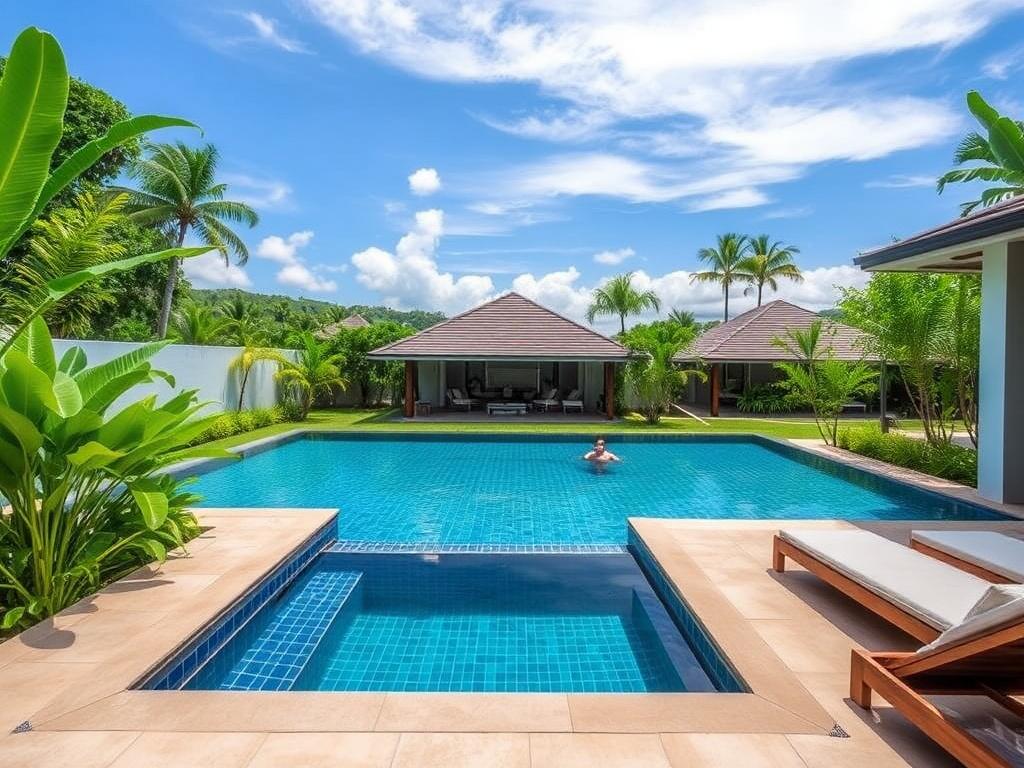
Find the right villa in Phuket: a practical guide for living, holidays, or investment
Phuket is many things at once—turquoise sea, jungle-covered hills, and a property market that draws buyers from all corners of the globe. Whether you picture morning swims and neighborhood coffee shops, short-term rental income, or a long-term family home, choosing among villas for sale in Phuket requires a clear plan. This guide walks you through the practical, legal, and lifestyle questions to help you make a confident choice.
Why Phuket still matters to buyers
Phuket’s appeal goes beyond beaches and seafood; it’s an island with established international infrastructure, medical facilities, and a tourism ecosystem that supports rental demand. The variety of neighborhoods—from lively beach towns to quiet upland retreats—means you can match a location to your lifestyle rather than compromising for convenience.
Buyers also appreciate that Phuket offers different entry points to property ownership, from turnkey developer villas to private plots for custom builds. That range gives people flexibility in budget, design, and long-term strategy.
Start with your purpose: living, holiday home, or investment
Before you look at pictures and floor plans, decide what you want the villa to do for you. The priorities for a full-time resident—security, school access, and year-round amenities—differ from those of a holiday homeowner, who may value proximity to beaches and an easy maintenance setup. Investors focus on rental yield, occupancy patterns, and management arrangements.
Clarifying purpose early prevents costly compromises. Treat this decision like a funnel: broad at the start, then narrow to neighborhoods, property type, and legal structures that serve your goal.
Understanding the local market dynamics
Phuket’s market is a collection of micro-markets rather than a single homogeneous property scene. Coastal strips tend to be more tourist-oriented with a steady stream of short-term guests, while interior and southern areas attract buyers seeking privacy and long-term residential comfort. New developments change the rhythm of a locality, so track upcoming infrastructure and hotel projects that may shift demand.
Supply varies across price tiers. Luxury, branded developments often offer full services and higher maintenance costs, whereas smaller independent villas can give better value but require more hands-on management. Watch for seasonal swings in demand and the different tenant profiles associated with each area.
Types of villas and construction styles
Villas in Phuket range from modern minimal designs to Thai-inspired villas with open living spaces and pitched roofs. You’ll also find hillside properties with panoramic views, flat-plot villas with gardens, and compound-style homes that include staff quarters and large outdoor areas. Each type carries distinct maintenance and lifestyle implications.
If you plan to use the villa year-round, prioritize insulation, airflow, and durable finishes that withstand humidity and salt air. For a holiday property, focus on low-maintenance landscaping and durable surfaces that can handle intermittent occupancy without rapid wear.
Where to look: choosing the right neighborhood
Location determines experience. West coast beaches like Patong and Kamala offer vibrant nightlife and easy access to services, while areas such as Bang Tao and Surin attract families and upscale leisure travelers. The south—Nai Harn and Rawai—feels more laid-back and residential, and the east side around Chalong and Phuket Town has growing local communities and convenient marinas.
Consider distance to essentials: hospitals, international schools, supermarkets, and the airport. Also think about traffic patterns and road quality; Phuket’s hilly terrain means a short distance can still be slow in peak hours.
Quick comparison of popular areas
| Area | Vibe | Best for |
| Patong | Lively, tourist-heavy | Short-term rentals, nightlife lovers |
| Kamala | Calmer, family-friendly | Holiday homes, luxury villas |
| Bang Tao / Laguna | Upscale resorts, long beaches | Families, resort-style living, longer rentals |
| Surin | Exclusive, boutique feel | High-end buyers, privacy |
| Rawai / Nai Harn | Laid-back, local community | Permanent residents, quiet retreats |
| Chalong / Phuket Town | Local commerce, marina access | Boaters, residents who want services |
How ownership works in Thailand
Foreign ownership of land in Thailand is restricted, and villas—because they include land—require structures that respect those rules. Common methods for foreigners include long-term leaseholds, ownership through a Thai-registered company, or other specialized arrangements tied to development projects. Each option has trade-offs in security, complexity, and resale appeal.
Leaseholds are straightforward and commonly used; they can be registered at the Land Office, giving legal force to the agreement for its term. Owning via a Thai company is more complex and must be handled lawfully; it’s essential to use independent legal counsel to ensure the company structure reflects genuine business activity and complies with regulations.
Title types to know
When you review a property, the title deed classification matters for security and transferability. A Chanote (title deed) is the clearest indication of freehold land ownership and is the most desirable document. Other classifications such as Nor Sor 3 or Nor Sor 3 Gor indicate varying levels of possession or survey stages and can complicate transactions. Always request a certified title copy and ask your lawyer to verify the status at the Land Office.
Buildings attached to land can sometimes be owned separately from the ground, but this creates additional complexity. If part of a development, check if the villa is covered by a condominium law regime or a private estate with clear covenants and management rules.
Permits, taxes, and fees to expect
Buying a villa in Phuket involves official fees and taxes tied to the type of transaction. Typical items include registration fees at the Land Office, potential VAT or specific business tax depending on the seller, and stamp duty or other small administrative taxes. The amounts and liability can vary with whether the seller is a developer, a company, or a private owner.
Beyond purchase-time costs, factor in annual property tax, municipal fees, and possible income taxes on rental revenue. Tax rules change and can be nuanced, so consult a qualified Thai accountant or lawyer to understand how taxes apply to your situation, particularly if you plan to rent the property.
Financing options and currency considerations
Many buyers pay cash, but mortgages and financing do exist for foreigners through local banks and international lenders. Thai banks may offer mortgages under specific conditions, often requiring a deposit and proving income. Mortgage terms and availability vary, so shop around and discuss options with local banks or brokers early in your process.
Currency matters are important since property is often priced in Thai baht. If you’re transferring large sums, plan for foreign exchange timing and bank transfer documentation required for legal repatriation rules. Developers and banks may request proof of inward remittance if the funds originate from abroad.
Budgeting beyond the purchase price
Look past the sticker price. Year-one costs typically include setup expenses—furnishings, landscaping, basic repairs—and then ongoing items such as utilities, internet, security, pool maintenance, and property management fees. In some developments, shared maintenance charges can be substantial depending on services offered.
Insure the property for damage, liability, and natural events common to tropical islands. Also create a reserve fund for periodic needs like roof replacement, repainting, or air-conditioning replacement; such major repairs are normal over the life of a villa and are often overlooked by first-time buyers.
Due diligence: a checklist you can’t skip
Due diligence is the safeguard that separates a good purchase from a future headache. Start with title verification, zoning rules, and building permits to ensure the villa was constructed legally. Check for outstanding liens or mortgages, and ask for a certified encumbrance search at the Land Office.
Beyond legal checks, inspect the villa physically and mechanically. Hire a qualified surveyor or building inspector to test foundations, roofing, drainage, plumbing, and electrical systems. Ask for warranties on recent renovations and documentation for any installed equipment such as generators or septic systems.
Essential documents to request
| Document | Why it matters |
| Certified title deed (Chanote or equivalent) | Confirms land ownership and boundaries |
| Building permit and completion certificate | Shows construction was authorized and compliant |
| Land Office encumbrance search | Reveals mortgages, liens, or legal claims |
| Proof of utility connections | Ensures water, electricity, and sewer are legal and functional |
| Developer warranties and HOA rules | Explains responsibilities and ongoing fees |
Practical inspection tips
Visit the villa at different times of day to assess sunlight, noise, and traffic levels. Test water pressure and clarity, and inspect for signs of damp or mold, which are common in humid climates. Walk the boundary lines, and if access to the property is via a private road, confirm maintenance responsibilities and legal access rights.
Listen to neighbors and ask about local issues like seasonal flooding, roadworks, or planned developments. Local knowledge often surfaces matters that paperwork can’t reveal, so spend time in the area rather than just inside the villa.
Choosing for full-time living
If your plan is to live in the villa year-round, prioritize practical comforts: reliable power and water, a neighborhood of permanent residents, and access to medical care and schools. A quiet residential area may outweigh a breathtaking view if daily convenience matters more than dramatic scenery.
Security and integration into a community are important. Consider gated estates with round-the-clock security if you value privacy, but weigh that against homeowners’ association rules that may restrict alterations or rentals.
Choosing for holiday use
For a holiday home, focus on proximity to beaches, restaurants, and attractions that will keep guests or family entertained. A manageable garden, a pool that’s easy to maintain, and good locks and security systems are practical priorities when the property is vacant for long stretches.
Consider flexible furniture and fittings that stand up to vacation wear and accommodate occasional heavy use. If you plan to rent the villa when you’re not there, choose a layout that appeals to short-term guests—open living spaces, multiple bathrooms, and outdoor entertainment areas are sought after.
Choosing for investment and rental return
Investors look for predictable occupancy and the ability to reach a target yield. Location near popular beaches or convenient transport hubs typically secures stronger rental demand, while branded developments may command premium nightly rates. However, higher nightly rates often come with higher management fees.
Factor in seasonality and marketing. Properties that attract long-stay guests or repeat visitors can reduce turnover costs and vacancy risk. Speak to local property managers about realistic occupancy estimates and net yields after fees and taxes.
Design and climate considerations
In Phuket’s tropical climate, design choices influence comfort and maintenance. Prioritize materials resistant to salt corrosion, UV exposure, and humidity. Good ventilation and shading reduce the need for constant air conditioning and help prevent mold growth.
Consider landscaping that is both attractive and drought-resistant, and design drainage to handle heavy monsoon rains. Pools are a major draw for villas, but they require ongoing chemical maintenance and occasional repairs, so factor these into cost and lifestyle expectations.
Renovation, remodeling, and adding value
If you buy an older villa, thoughtful renovation can add both enjoyment and resale value, but choose upgrades that match buyer preferences in Phuket. Kitchens and bathrooms yield strong returns when modernized, and outdoor living areas often increase rental appeal more than additional interior square footage.
Work with contractors familiar with local materials and weather challenges. Permits may be required for structural changes, so submit plans to the local municipality and obtain written confirmations before starting work.
Working with agents, developers, and lawyers
Use licensed agents and insist on written agreements that specify commission arrangements and who pays fees. Developers often sell with incentives and warranties, but read the fine print on any rental guarantees or management commitments. Independent legal counsel is essential—never rely solely on the selling party’s paperwork or explanations.
A qualified Thai lawyer will verify title documents, confirm zoning and building compliance, and help structure the sale to protect your interests. If you don’t speak Thai, hire a translator or bilingual lawyer to ensure you fully understand contracts and legal obligations.
Managing your villa: options and trade-offs
Management choices range from doing everything yourself to hiring a full-service property manager. If you live locally, you might handle gardening and light maintenance, which reduces costs but increases time commitment. For absentee owners, professional management ensures tenants are vetted, maintenance is scheduled, and local rules are followed.
Management contracts should clarify responsibilities, fees, reporting, and reserves for repairs. Ask potential managers for references and sample financial statements from other properties they oversee so you understand how they handle bookkeeping and guest relations.
Marketing and maximizing rental income
If rental income is part of the plan, professional photography, compelling descriptions, and responsive booking systems make a difference. Listing on international short-term rental platforms is common, but consider a local manager to handle check-ins, local taxes, and housekeeping to maintain five-star reviews.
Be realistic about returns: occupancy and rates fluctuate with seasons, events, and global travel trends. Set a marketing budget and plan for off-season promotions or longer-stay discounts to improve year-round yield.
Negotiation tactics and making an offer
Start with comparable sales in the same neighborhood to form a reasonable offer range. Sellers often expect some negotiation, so a clean deal with a straightforward timeline and a pre-approved payment plan can be attractive. Use a deposit held in escrow or with a reputable local attorney to demonstrate commitment.
Include contingencies in your offer tied to title clearance and inspections. These protect you while allowing the seller to keep the property off the market during due diligence. A professional agent or lawyer will craft language that balances protecting your interests with making a credible proposal.
Resale and exit strategies
Think ahead about who your likely buyer will be when you want to sell: expatriates, local Thais, or investors. Properties with clear legal titles and well-documented renovations usually command better resale prices and move faster. Demand for villas can change with travel patterns and infrastructure projects, so keep an eye on broader market developments.
If you plan to exit within a few years, prefer properties with broad appeal—good layout, easy maintenance, and a desirable location. For longer-term holds, there’s more latitude to personalize and redevelop as markets evolve.
Common pitfalls and how to avoid them
Avoid assuming all villas are transferable to foreigners without restrictions; verify title type and ownership structure early. Don’t skip physical inspections—hidden structural problems in a tropical climate can be expensive to remedy. Beware of deals that seem too rushed or pushy; legitimate sellers typically allow time for due diligence.
Also be wary of relying solely on staged photos or developer show villas. Ask to see the actual unit and recent utility bills to estimate real-life costs. Finally, always confirm that any verbal promises are put into the sales contract.
Personal experience: a practical vignette
Some years ago I assisted a friend looking for a small villa in a quieter part of Phuket. She wanted a peaceful home near good schools and chose a modest compound rather than a flashy beachfront property. The trade-off meant a shorter commute to amenities but far lower maintenance and a friendlier neighborhood feel.
We prioritized title verification and a survey and discovered a boundary discrepancy that the seller resolved before signing. That one step saved time and money and gave my friend a clean title and peace of mind—proof that careful due diligence really pays off.
Checklist for your villa-buying journey
- Define your purpose: living, holiday, or investment.
- Shortlist neighborhoods based on lifestyle and access.
- Verify title deed type and Land Office records.
- Arrange a professional building inspection and survey.
- Understand taxes, fees, and transfer procedures.
- Decide on ownership structure (leasehold, company, etc.).
- Plan for financing, currency transfer, and insurance.
- Negotiate with clear contingencies and realistic timelines.
- Hire local management or set up a maintenance plan if absentee.
- Keep a reserve fund for major repairs and off-season months.
Questions to ask during viewings
When you’re on-site, prepare specific questions to reveal practical realities. Ask about recent maintenance, warranty history on equipment, neighbors and noise, and any plans for nearby development. Request copies of utility bills and HOA minutes if applicable to assess ongoing costs and community issues.
Also ask for a breakdown of what’s included in the sale—furniture, appliances, fixtures—and confirm whether any items are leased or under separate contracts. Clear answers here reduce surprises after purchase.
Working through the purchase process
Once you’ve chosen a villa, move methodically. Submit an offer with clear conditions and a timeline, arrange for the deposit, complete legal checks, and finalize financing. The seller will typically produce a sales contract that both parties sign before transferring funds and registering the transaction at the Land Office.
During this stage, coordinate closely with your lawyer, bank, and the seller to ensure all paperwork is filed correctly. Keep copies of everything and ask for receipts at each step to maintain a clean audit trail for future legal or tax matters.
Adapting your strategy over time
Property ownership is not static; your needs or the market may shift. If the villa was purchased for holidays but you end up living there, update legal and tax arrangements accordingly. If rental income falls short, consider repositioning the property for a different guest profile or upgrading marketing and services to increase appeal.
Regularly re-evaluate your property manager and service contracts to ensure you’re getting the right balance of cost and quality. A proactive approach typically yields better financial and lifestyle outcomes than passive ownership.
Final steps: making the decision
Choosing a villa in Phuket blends emotion and analysis—there’s joy in a beautiful home but also responsibility in a major purchase. Balance the heart’s desire for a view or beach access with sober checks on title, costs, and local realities. When those factors align, your villa can be a reliable home, a rewarding holiday escape, or a steady piece of an investment portfolio.
Take time, use local experts, and follow the checklist laid out here. To explore current listings and compare different options, visit https://papayaproperty.com/collections/villas-for-sale. The right property should fit your lifestyle, budget, and legal comfort level, and when it does, it becomes a source of lasting enjoyment rather than ongoing worry.

You May Also Like

The Fourth Trimester: Your Essential Guide to the First 12 Weeks

Finding Time for Your Hobbies and Passions: How to Reclaim Hours Without Losing Your Mind