When a Mother’s Mind Matters: The Importance of Maternal Mental Health
Think about the last time you felt overwhelmed, exhausted, or unsure of yourself. Now imagine carrying that feeling for months while your body changes, your sleep evaporates, and a tiny human looks to you for everything. Maternal mental health matters not just because mothers deserve to feel well, but because their wellbeing shapes families, communities, and the next generation. In this article we’ll walk through the what, why, and how of maternal mental health—what it includes, why it matters, how to recognize when help is needed, and practical ways families and systems can support mothers through pregnancy and beyond. This is not a lecture; it’s a conversation about real lives, real struggles, and real hope.
What We Mean by Maternal Mental Health
Maternal mental health refers to the emotional and psychological wellbeing of women during pregnancy and the postpartum period. It includes a wide range of experiences—from perfectly normal mood fluctuations and occasional stress to clinical disorders such as perinatal depression, anxiety, bipolar disorder, and postpartum psychosis. The term “perinatal” covers both the prenatal (during pregnancy) and the postpartum (after birth) periods, and is often used because mental health challenges can begin at any point during this continuum.
Language matters here: talking about “maternal mental health” acknowledges the whole person, not just a diagnosis. It reminds us that social factors, physical health, relationship stresses, cultural expectations, and access to resources all shape mental wellbeing. It also highlights that maternal mental health includes more than the mother alone; it’s connected to the partner, the child, the family network, and the broader community.
Common Maternal Mental Health Conditions
Not every change in mood is a mental health condition, but some problems are common and important to recognize:
- Baby blues: Mild, short-lived mood changes, tearfulness, and irritability in the first two weeks after birth. Very common and typically resolves on its own.
- Perinatal depression: Persistent sadness, loss of interest, changes in appetite or sleep, feelings of worthlessness, and sometimes thoughts of harming oneself or the baby. Can occur during pregnancy or after birth.
- Perinatal anxiety: Excessive worry, panic attacks, obsessive thoughts, or constant fear that something bad will happen to the baby. Often co-occurs with depression.
- Obsessive-compulsive disorder (OCD): Intrusive thoughts or compulsions that can be terrifying, particularly when they involve harm coming to the baby—this is not a reflection of desire to harm.
- Postpartum psychosis: A rare but severe illness that can include hallucinations, delusions, extreme confusion, and risk of self-harm or harm to the baby. This is a psychiatric emergency.
- Bipolar disorder: Women with bipolar disorder can experience dangerous mood swings in the perinatal period; pregnancy often changes the pattern of illness and requires careful planning and treatment.
Why Maternal Mental Health Is Critical

Good maternal mental health matters on many levels. It affects the mother’s ability to take care of herself, to bond with her baby, and to manage household and work responsibilities. Research shows that untreated maternal mental illness can have long-term effects on children’s emotional, cognitive, and social development. Communities suffer too—lost productivity, greater healthcare costs, and intergenerational transmission of stress. In short, supporting maternal mental health is both a compassionate choice and a smart investment.
Impact on the Child
Babies are wired to tune into their caregivers’ emotional states. When a mother feels consistently depressed, anxious, or emotionally unavailable, the infant’s ability to regulate stress, form secure attachments, and develop healthy brain architecture can be affected. This doesn’t mean every child of a mother with mental illness will experience problems—many resilient outcomes exist—but the risk is higher if maternal distress is prolonged or severe and if there is little support.
Effects on children can include:
- Delayed language and cognitive development
- Difficulty with emotional regulation and social interactions
- Behavioral problems in early childhood
- Increased risk for mental health issues later in life
Impact on the Family and Society
When a mother struggles, everyone in the household feels it. Partners may bear more caregiving and emotional work, siblings can experience upheaval, and the family’s financial and social stability can be threatened. At a societal level, maternal mental health disorders contribute to increased use of healthcare services, lost workdays, and long-term costs if early problems in children translate to later educational or behavioral needs.
Recognizing the Signs: When to Seek Help
Knowing when to seek help is part knowledge, part intuition. Many mothers feel guilty about admitting they’re struggling because of stigmas and unrealistic expectations about motherhood. But early recognition and intervention make a big difference. Here are signs that indicate a woman may need professional support:
- Persistent sadness, hopelessness, or crying spells lasting more than two weeks.
- Excessive worry, panic, or intrusive frightening thoughts.
- Loss of interest in activities that used to bring joy.
- Difficulty bonding with the baby or feelings of detachment.
- Changes in appetite or sleep that are disruptive and not solely explained by caring for a newborn.
- Thoughts of self-harm or harming the baby—seek emergency help immediately.
- Concentration problems that interfere with daily functioning.
- Substance use to cope with feelings.
If you’re a partner, friend, or family member, watch for these warning signs and encourage compassionate, nonjudgmental conversations. Sometimes a simple “I’ve noticed you seem different lately—how are you feeling?” can open the door to help.
Screening and Assessment
Clinical screening tools—like the Edinburgh Postnatal Depression Scale (EPDS) and the Patient Health Questionnaire (PHQ-9)—are widely used to identify women at risk. Routine screening during prenatal visits and in the early postpartum period is recommended in many countries because many women won’t volunteer symptoms unless asked. A positive screen should lead to a full assessment by a trained professional and a conversation about treatment options that respect the mother’s preferences and values.
Risk and Protective Factors
Understanding factors that raise or lower the risk of maternal mental health problems helps us design better prevention and support programs. Risk factors include biological elements like hormonal changes, a personal or family history of mental illness, and difficult pregnancies. Social and contextual factors—lack of partner or family support, poverty, abuse, immigration stress, and racial discrimination—play a huge role. Protective factors include strong social networks, stable housing, adequate sleep and nutrition, and access to culturally competent healthcare.
Table: Common Risk and Protective Factors
| Risk Factors | Protective Factors |
|---|---|
| History of depression or anxiety | Supportive partner or family |
| Unplanned or high-risk pregnancy | Planned pregnancy and good prenatal care |
| Interpersonal violence or relationship conflict | Safety and stable relationships |
| Financial hardship, housing instability | Access to social services and stable housing |
| Sleep deprivation and physical exhaustion | Shared caregiving responsibilities and rest |
| Stigma and lack of access to mental health care | Accessible, culturally sensitive mental health services |
Treatment and Support: What Works
Treating maternal mental health conditions requires a personalized approach. What works for one woman might not work for another. Fortunately, there are many effective options—from psychotherapy to medications, to community-based supports and peer groups. Combining approaches often yields the best results.
Evidence-Based Treatments
- Psychotherapy: Cognitive Behavioral Therapy (CBT) and Interpersonal Therapy (IPT) have strong evidence for perinatal depression and anxiety. Therapy can help reframe unhelpful thoughts, build coping skills, and strengthen relationships.
- Medication: Antidepressants can be safe and effective for many women during pregnancy and breastfeeding when chosen carefully with a healthcare provider. The risks of untreated maternal depression often outweigh the potential medication risks, but decisions should be individualized.
- Supportive interventions: Home visiting programs, peer support groups, and mother-infant bonding interventions can provide practical help and social connection.
- Specialized services: For severe conditions like bipolar disorder or postpartum psychosis, coordinated care with psychiatry, social services, and obstetrics is essential.
Non-Clinical Supports
Treatment isn’t limited to therapies and meds. Social interventions play a major role:
- Partner and family education so loved ones can provide practical support.
- Flexible workplace policies, such as paid parental leave and lactation accommodations.
- Community resources—food support, transportation, childcare, and housing stability.
- Peer support—connecting with other mothers who understand the experience.
Breaking Down Barriers to Care
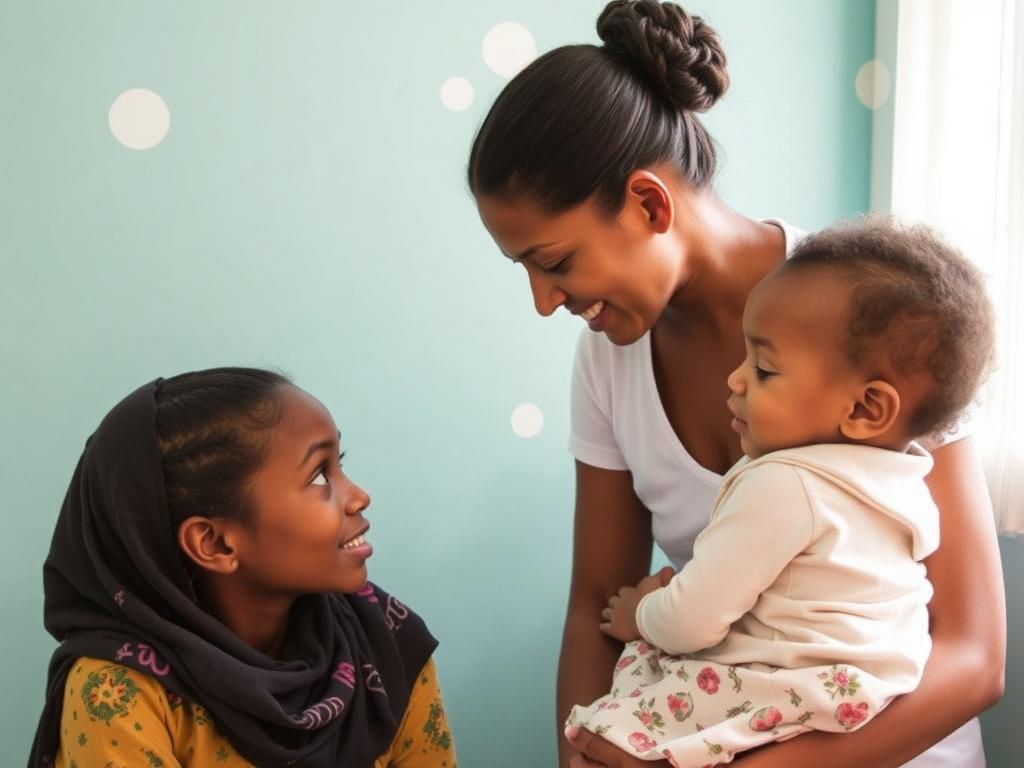
Even when effective help exists, many women don’t access it. Barriers include stigma, lack of awareness, limited mental health professionals, cost, and fear about medication during pregnancy or breastfeeding. For some communities, language and cultural differences, or distrust of the medical system, create additional hurdles.
Ways to Reduce Barriers
- Normalize conversations about maternal mental health in prenatal classes and community settings.
- Train obstetric and primary care providers to screen, refer, and provide basic mental health support.
- Increase integration of behavioral health into obstetric care so families can get help in one familiar setting.
- Offer telehealth, group therapy, and community-based programs to reach underserved areas.
- Develop culturally-tailored materials and services that respect local norms and languages.
How Partners, Families, and Friends Can Help
Partners and family members are often the first to notice changes, and their response can make a huge difference. Support doesn’t have to be complicated; practical help and emotional presence go a long way.
Practical Ways to Support a Mother
- Help with household tasks: cooking, cleaning, and shopping relieve daily stress.
- Share nighttime caregiving if possible, so the mother can get stretches of sleep.
- Attend healthcare appointments with her and ask questions together.
- Create opportunities for social connection—invite friends over or arrange a walk.
- Encourage her to seek help and offer to assist in finding providers or childcare.
Emotional support matters too: listen without judgment, validate feelings, and avoid minimizing statements like “It’s all in your head” or “Everyone feels tired.” If there are signs of severe illness—thoughts of harming oneself or the baby—seek emergency help immediately.
Policy and System Change: What Communities Can Do
Individual support is vital, but lasting improvements require policies and systems that prioritize maternal mental health. Health systems, employers, and policymakers can make evidence-based changes that increase access and reduce the burden on families.
Key Policy Actions
- Implement universal screening for perinatal mood and anxiety disorders in prenatal and postpartum care, with clear referral pathways.
- Expand paid parental leave and flexible return-to-work policies to reduce stress and improve bonding.
- Fund home visiting and community mental health programs that reach vulnerable families.
- Support training programs to increase the number of perinatal mental health specialists, including culturally competent providers.
- Ensure insurance coverage for mental health services, including therapy, medication, and integrated care models.
When these policies are in place, they create an environment where mothers don’t have to choose between caring for their mental health and meeting basic needs.
Special Considerations: Cultural, Racial, and Socioeconomic Factors
Maternal mental health does not occur in a vacuum. Experiences of racism, immigration stress, poverty, and cultural norms around motherhood shape how women experience and express distress. Some cultures may emphasize endurance and sacrifice, making it harder to admit suffering. Others may have strong community-based traditions that can protect against isolation.
Clinicians and policymakers must prioritize equity—recognizing that marginalized groups often face higher exposure to risk factors and fewer resources. Implementing community-centered programs, hiring diverse staff, and providing services in multiple languages are concrete steps toward better care for all mothers.
Voices from Moms: Real Stories
Hearing real stories can dismantle stigma and build empathy. Consider these composite examples drawn from common experiences:
- A new mother who felt profound sadness each night after her partner went to work. She dreaded nighttime feedings and felt guilty that she couldn’t enjoy her baby. After a screening at a postnatal visit, she joined a therapy group and gradually felt less isolated.
- A pregnant woman with a history of bipolar disorder worried about medication risks. She worked with a psychiatrist and obstetrician to develop a safe plan that reduced relapse risk and supported a healthy pregnancy.
- An immigrant mother balancing three jobs and no family nearby faced crushing isolation and fear of judgment. A community health worker connected her to local resources, bilingual counseling, and a mothers’ group, which eased the burden and improved bonding with her baby.
These stories show that with timely, compassionate help, mothers can recover and thrive.
Practical Self-Care Strategies for Mothers
Self-care is often framed as a set of indulgent acts, but for mothers it’s about practical steps that support emotional and physical resilience. Small, consistent habits can make a difference.
Self-Care Ideas You Can Try
- Prioritize sleep: Even short naps can help. Share night duties when possible or accept help to get rest.
- Move your body: Gentle walking, yoga, or stretching can lift mood and reduce anxiety.
- Eat regular, balanced meals: Keep snacks handy and consider meal prepping or simple, nutritious options.
- Set realistic expectations: Parenting advice often feels prescriptive—choose what’s right for your family.
- Connect with others: Join a moms’ group, a class, or an online community that feels safe and supportive.
- Practice small moments of mindfulness: Even a few deep breaths can interrupt spirals of worry.
Self-care is not a substitute for professional help when needed, but it’s a powerful complement that can enhance resilience.
How Healthcare Providers Can Improve Care

Obstetricians, midwives, pediatricians, and primary care providers each play a role in maternal mental health. Integrated care models where mental health specialists work alongside obstetric teams have shown promising results. Training providers to have compassionate conversations, normalize help-seeking, and make warm handoffs to mental health services improves outcomes.
Best Practices for Providers
- Screen routinely with validated tools and document results.
- Provide clear information about treatment options and risks/benefits during pregnancy and breastfeeding.
- Offer brief interventions and coordinate care with mental health specialists when needed.
- Create referral networks that include community resources like social services and peer support.
- Use culturally sensitive approaches and interpreters when language barriers exist.
Emerging Research and Innovations
Research into maternal mental health is growing. Innovations include digital health tools like teletherapy, apps for symptom monitoring, and online peer support platforms that lower barriers to care. There is also increasing interest in preventive approaches—identifying high-risk women early and offering targeted supports to prevent chronic illness. Neuroscience is shedding light on how maternal stress affects infant brain development, which reinforces the urgency of early intervention.
Policy research is also essential. Evaluations of parental leave policies, pay parity, and social safety nets show meaningful impacts on maternal wellbeing. Continued investment in research will help policymakers choose the most effective strategies for different communities.
Resources and Where to Turn
If you or someone you know is struggling, immediate and accessible help is critical. Start with your obstetrician, midwife, primary care provider, or pediatrician. They can screen, offer support, and make referrals. Community health centers, maternal-child health programs, and public health departments often have resources as well. For urgent situations—thoughts of harming oneself or the baby—seek emergency medical attention or call local emergency services right away.
Sample Resource List
- Primary care or obstetric clinic: Ask about perinatal mental health screening and referrals.
- Local mental health clinics and community health centers.
- Peer support groups—online and in-person mother groups.
- Hotlines: national suicide prevention lines and maternal mental health hotlines if available in your country.
- Nonprofit organizations focused on maternal mental health and parenting support.
The Role of Society: Shifting Norms Around Motherhood
Changing how we as a society view motherhood is part of the solution. Idealized images of the ever-happy, always-capable mother are harmful because they isolate women who are struggling. We need narratives that acknowledge the difficulty of the transition to parenthood, that validate asking for help, and that recognize caregiving as essential work deserving social support. When public discourse shifts, so do policies, funding priorities, and the daily conversations friends and families have with new mothers.
How to Help Shift the Culture
- Share honest stories about parenthood to normalize challenges.
- Advocate for family-friendly workplace policies in your community and at your place of work.
- Support organizations that provide maternal mental health services and research.
- Vote for policies that fund healthcare access, paid family leave, and childcare services.
Final Thoughts: Hope and Action
Maternal mental health is a multifaceted issue that touches personal lives, public health, and social policy. The good news is that many solutions already exist and have been proven effective. Screening works, therapies work, medications help, and social supports change outcomes. What’s needed now is to bring these tools to more people—especially the most vulnerable—while breaking down stigma and improving systems of care. Each of us has a role: clinicians, partners, friends, employers, and policymakers. If you’re a mother reading this and nodding in recognition, know that help is available and that reaching out is a sign of strength. If you’re a partner or friend, your attention can be lifesaving.
Conclusion
Maternal mental health is central to the wellbeing of mothers, babies, families, and communities; recognizing its complexities, reducing stigma, improving access to evidence-based care, and building compassionate social supports are essential steps that together can transform outcomes and help mothers thrive.