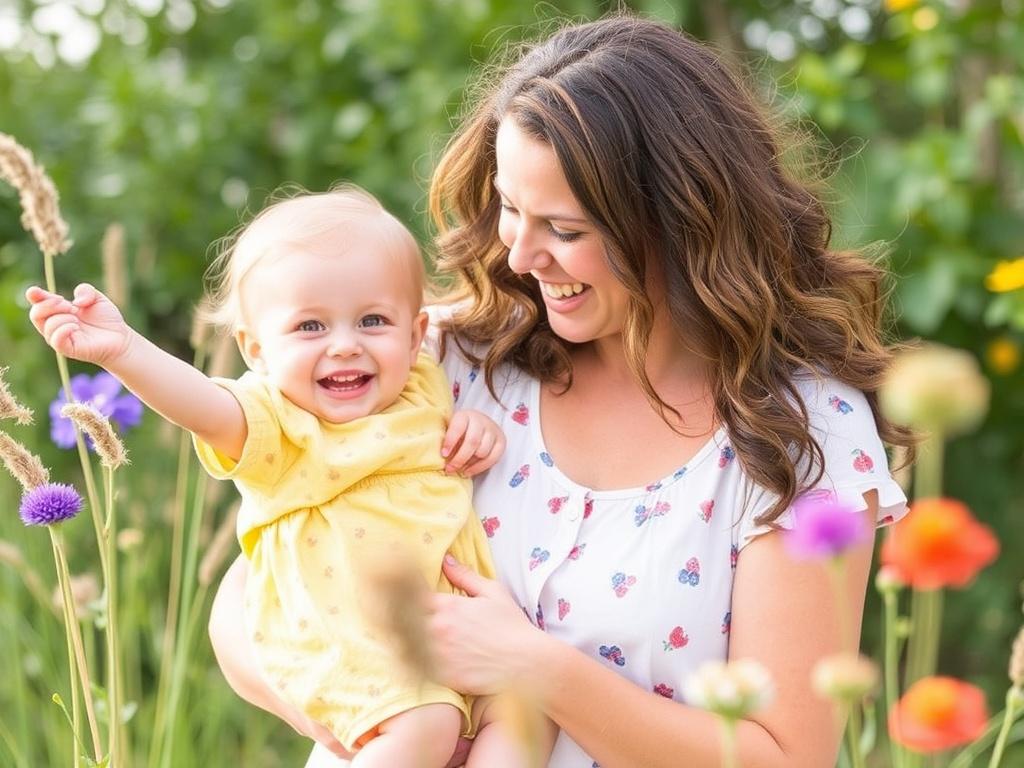
Small Victories, Big Hearts: Celebrating the Small Wins in Motherhood
Becoming a mother is not a single moment but a collection of moments, many of them tiny and easily overlooked. You might expect the big milestones—the first steps, the first words, the first day of school—to be the markers of success, but there is a quiet revolution happening in kitchens, nurseries, cars, and living rooms every day. Those ordinary minutes when you get through a grocery trip without a meltdown, when your baby finally sleeps for five straight minutes, when you manage to drink a hot cup of coffee before it goes cold—these are small wins, and they matter. They add up. They keep you going.
I want to take you on a practical and heartwarming journey through how to notice, value, and celebrate these small wins in motherhood. We’ll talk about why they matter for your mental health, how to build rituals around them, creative ways to mark progress, and how celebrating small victories can transform your relationship with yourself, your partner, and your children. Along the way you’ll find lists, a useful table to spark ideas, and thoughtful tips for different stages and family situations. Read like you’re chatting with a friend over tea—no judgment, just encouragement and some actionable ideas.
Why Small Wins Matter
Motherhood is relentless: the to-do list refreshes itself the moment you cross one item off. In such a landscape, small wins are the footholds that keep you from sliding. Psychologists and life coaches often emphasize the power of incremental progress because human brains are wired to respond to reinforcement. Each small victory sends signals to your nervous system that things are manageable and that your efforts are meaningful. That feedback loop helps reduce overwhelm and build resilience.
But the value is deeper than brain chemistry. Celebrating small wins honors reality in a compassionate way. It acknowledges that progress might not be a straight line, but it is happening. For many mothers, especially new ones or those struggling with postpartum challenges, a small-win mindset can be lifesaving. It allows you to redefine success not as perfection but as survival with moments of joy. It encourages you to look for and hold onto goodness in the middle of fatigue, uncertainty, and endless laundry.
The ripple effects on family life
When you notice and celebrate small wins, you model healthy coping strategies for your children. Kids learn that growth happens step by step and that emotions can be acknowledged without being paralyzing. Partners who witness this practice often feel invited into a kinder, more realistic conversation about household rhythms and parenting expectations. It’s a cultural shift at home: away from the “I should have it all together” myth and toward a culture of small celebrations that sustain everyone.
Emotional and practical benefits
On the emotional side, celebrating small wins reduces guilt and fosters gratitude. Practically, it keeps you motivated to try again. Even simple rituals—writing one good thing about today in a journal or sending a triumph text to a friend—trigger positive reinforcement. Those small acts accumulate into a stronger sense of self, more patience, and better decision-making under stress.
Examples of Small Wins (and why they count)

Let’s get concrete. You don’t need to wait for milestones that take months or years. Here are small wins that are common and meaningful:
- Your baby napped while you showered (and you got to breathe).
- You remembered to take your prenatal/postpartum vitamins three days in a row.
- You managed a tantrum without losing your temper.
- You cooked a simple dinner and everyone ate something.
- You called your mom or a friend and didn’t cancel at the last minute.
- You put on shoes and left the house—fresh air counts.
- You sang with your child and laughed together.
- You recognized you needed help and asked for it.
Every one of these items is an act of care—care for your child and care for yourself. They are evidence that you are present and trying, even when the day feels monotonous or hard. Notice how many of these wins are about connection, survival, self-care, and emotion regulation. Those are the pillars of good parenting.
Quick list of micro-wins to notice daily
- One positive interaction with your child.
- One thing you did for yourself (even if it’s small).
- One household task completed.
- One moment of laughter or calm.
- One healthy choice you made (or a small step toward it).
How to Recognize Small Wins When You’re Tired
Tiredness is the operator of our lives in early parenthood, and fatigue distorts perception. When you’re sleep-deprived, the bar for recognizing achievement unintentionally rises—only the very big things seem to count. That’s why building intentional practices for noticing small wins is crucial.
Start by setting a gentle daily ritual. This could be as brief as a three-sentence note in your phone at bedtime: “Today I managed ___. I felt ___. I’m grateful for ___.” Or keep a visible place—like a jar or a small bulletin board—where you drop a written note about a win. The physical act of writing and collecting wins helps your memory and mood.
Another tactic: create micro-goals. Instead of “have a productive day,” set something like “finish one load of laundry” or “read one book to my child.” Harder goals are fine, but micro-goals give you points to claim.
Tools to help you notice
- A small journal or an app for three good things each day.
- A “win jar” with slips of paper to drop in.
- A chat thread with another parent where you share one achievement a day.
- Photo notes: a folder in your phone labeled “Small Wins” where you save a quick picture and a caption.
Creative Ways to Celebrate Small Wins
Celebration doesn’t have to be grand. The trick is to make the gesture meaningful and repeatable. Micro-celebrations become a language your family understands: a way to say “I see you, and I notice progress.”
Here are ideas that are easy to integrate:
- Win jar ritual: When you notice a win, write it on a slip of paper and put it into the jar. Once a month, empty and read them together.
- Sticker chart for both kids and parents. A sticker for every small victory offers visual progress.
- Victory snack: a small favorite treat paired with a “high-five” moment.
- Text a friend your small win; get back a short cheer. Social reinforcement feels good.
- One-minute victory dance: play a fun song and move for 60 seconds together.
- Photo moment: take a quick picture and store it in a “wins” album.
A table of celebration ideas by situation
| Situation | Small Win | How to Celebrate |
|---|---|---|
| Newborn night that was better | Two hours of consolidated sleep | Make a warm cup of tea, sit for five minutes, and text a friend who gets it |
| Toddler tantrum managed | Handled it calmly without shouting | Sticker for both child and parent + a quiet storytime |
| Mom returned to a hobby | Painted for 20 minutes or read a chapter | Schedule another 20-minute block and mark it on the calendar |
| Meal time success | Child tried a new food | High-five ceremony and a “cheer” note on the fridge |
| Self-care completed | Took a shower or exercised for 10 minutes | Play a favorite song and take a mindful five breaths |
Rituals and Routines That Amplify Wins
Rituals give context and meaning to small events. They transform fleeting success into a recognized pattern. You don’t need to add heavy-handed practices; keep rituals small and consistent.
Examples of meaningful rituals:
- Morning three-win check: each morning name three small wins from the previous day.
- Weekly family circle: one sentence each about a small win from the week.
- Sunday reset ritual: pick one small goal for the week and a way to celebrate achieving it.
- Monthly “win night”: read a pile of win notes, order a simple dessert, and celebrate progress.
The beauty of ritual is that it normalizes celebration. Kids learn that talking about what went well is part of family life, not an occasional extravagance. For partners, rituals create recurring opportunities to acknowledge one another.
Rituals for single parents and busy caregivers
When time is tight and support is limited, even smaller rituals work. A one-minute breath with a private acknowledgement of “I did it” counts. Place a sticky note on the mirror that reads, “Name one thing you did well today,” and answer it in the moment. Small, repeatable rituals build a reservoir of evidence that you are succeeding.
Tracking Progress Without Pressure
Tracking can feel clinical, but it becomes helpful when it’s about compassion, not performance. Choose methods that feel gentle.
Here’s a simple tracking setup you can adapt:
- Pick three categories: Emotion, Connection, Daily Tasks.
- Each evening, mark 0–1 in each category for a single win (0 = no, 1 = yes).
- Once a week, glance at the week and name three wins aloud or in a note.
If you prefer apps, look for ones focusing on gratitude or habit tracking rather than productivity. The point is to create evidence of progress so you can resist the distorted view that nothing is improving.
Sample weekly tracking table
| Day | Emotion (felt calm or content?) | Connection (had a positive moment with child/partner?) | Task (completed a needed chore?) |
|---|---|---|---|
| Monday | 1 | 1 | 0 |
| Tuesday | 0 | 1 | 1 |
| Wednesday | 1 | 0 | 1 |
| Thursday | 0 | 1 | 0 |
| Friday | 1 | 1 | 1 |
| Saturday | 1 | 1 | 0 |
| Sunday | 0 | 1 | 1 |
This kind of simple, numeric tracking isn’t about scoring yourself but about building a habit of noticing. If you see trends—good or bad—you can respond with self-compassion or practical changes.
Celebrating With Your Partner: Shared Wins
Parenting is teamwork when you can make it so. Shared celebrations build connection and mutual appreciation. When you or your partner notice a win, name it out loud. For example, “I noticed you handled bedtime kindly today; that made things calmer.” Those short acknowledgments do two things: they validate effort and they teach children what appreciation looks like.
Try a weekly appreciation practice with your partner:
- Each week, exchange one small win about the other person: “I appreciated you for…”
- Choose one small joint celebration: a dessert, a walk, or ten quiet minutes together.
- Rotate the role of “win notifier” so both of you stay aware of each other’s efforts.
Shared wins are especially important when responsibilities are uneven. If one partner is the primary caregiver, small acts of recognition can feel like oxygen. They say, “I see you,” without being performative.
How to avoid transactional praise
Be careful that celebrating doesn’t become transactional or competitive. The goal is to cultivate genuine recognition rather than trading favors for praise. Keep celebrations specific and descriptive (“You were calm when she wouldn’t go to bed”—not “You’re a great parent”). This avoids vague praise and helps the recipient feel truly seen.
Special Situations: Tailoring Celebrations
Motherhood takes many forms—single parents, adoptive parents, foster parents, working moms, stay-at-home parents, mothers in blended families, and caregivers for children with special needs. Each situation deserves custom approaches to noticing and celebrating.
For working mothers, small wins often involve balance: an uninterrupted lunch, a successful Zoom meeting while a toddler napped, or finishing a report. Celebrate with a five-minute walk outside or a small treat at the end of the workday.
For single parents, wins can be about resourcefulness. Celebrating might mean calling a supporter and sharing your win or writing it down. When you carry most responsibilities, public acknowledgment might be scarce; you deserve private ceremonies that honor your efforts.
For mothers of children with special needs, small wins often represent tremendous work. Celebrations here should be tuned to the magnitude of the effort—sometimes a win is showing up to a difficult appointment, advocating for services, or facing a new therapy session. Honor those with meaningful acknowledgments: a heartfelt letter to yourself, a video message to a friend, or a small ritual that recognizes persistence.
Examples of tailored celebrations
- Working mom: After a successful day, place a coin in a jar that pays for a future coffee date or a babysitter night.
- Single mom: Create a digital album titled “My Wins” and add one photo each week.
- Mom of a child with special needs: Write a monthly reflection highlighting one area of progress and plant a small indoor herb as a symbol of growth.
When Small Wins Feel Tiny: Recognizing Deeper Needs
Sometimes small wins feel inadequate—especially when navigating depression, anxiety, or significant life stressors. If celebrating small wins feels impossible or if it highlights how overwhelmed you are, that’s important information. It may mean you need more support than self-celebration alone can provide.
Signs to watch for:
- Small wins don’t improve your mood over time.
- You’re unable to perform basic daily tasks for extended periods.
- Your thinking is consistently dark, you have persistent hopelessness, or you’re withdrawing from loved ones.
In those moments, reach out to a trusted health professional, a mental health provider, or a crisis resource. Small wins are a tool, not a substitute for care when deeper issues are present.
How to ask for help while honoring progress
Asking for support is itself a small win, and it deserves celebration. Practice simple phrases you can use with friends or professionals: “I’m feeling overwhelmed and could use help with childcare for an hour,” or “I’ve noticed that I’m not myself lately—can we talk?” Reaching out breaks isolation and opens the path to more consistent wellness.
Stories from Real Parents (Composite Examples)
Hearing other people’s small wins helps normalize your own. These short stories are composites—drawn from many parents’ experiences—and they show the range and power of micro-celebrations.
- Case 1: After weeks of feeling swallowed by baby care, Maya celebrated the first time she left the house alone for a 20-minute walk. She took a photo of the sky, sent it to her sister, and wrote “I did it” in her journal. That small act reminded her she could carve out space for herself.
- Case 2: When Jackson’s toddler hit a wall at dinner, he took a deep breath and offered a calm alternative. They both ended up laughing. He dropped a sticker on his chart, and the simple act of noticing helped him feel more competent the next time.
- Case 3: Priya, a single parent, began a Friday ritual: ordering her favorite takeout and reading one win aloud from the week. That ritual created a boundary between survival-mode parenting and something that felt celebratory and sustaining.
These stories show that recognition can be tailored to your life and that small acknowledgments can create larger shifts in mood and confidence.
Practical Tips to Make Celebrations Stick
Consistency beats intensity. A daily micro-practice sustained for months will change your perception more than sporadic grand gestures. Here are practical tips to keep the practice alive:
- Keep it simple: choose one ritual you can actually do when you’re tired.
- Make it visible: a jar, a note on the fridge, a “wins” folder in your phone.
- Involve others: share wins with a partner, friend, or parent group for reinforcement.
- Celebrate process not perfection: praise the effort, not only the outcome.
- Be specific in your language: “You stayed calm during the meltdown” instead of “Good job.”
- Allow flexibility: some weeks will have bigger wins; some will have tiny ones. Both matter.
Ideas to keep things fresh
Swap out rituals every few months, introduce seasonal themes (autumn gratitude jar, spring “plant a seed” wins), or create a themed playlist for victory dances. The variety keeps your brain engaged and gives small wins a sparkle.
How Children Learn from Celebrations
When children witness small-win celebrations, they adopt a growth-oriented mindset. They learn that practice matters, that mistakes don’t erase progress, and that emotional regulation is possible. Celebrating small wins teaches them gratitude, patience, and self-recognition.
Use celebrations to teach:
- Language of effort: name the effort, not just the result (“You practiced your letters and improved” vs. “You’re so smart”).
- Emotion naming: when you celebrate, include how it felt—“We felt proud when you helped set the table.”
- Teamwork: make some windows where children can celebrate parents’ small wins too; it models reciprocity.
Tools and Resources
Below are simple tools you can adopt today without buying anything fancy:
- Paper and pen: a low-tech journal or index cards for wins.
- Phone album: a “Wins” folder for photos and captions.
- Group chat: a small circle that trades daily wins via text.
- Habit tracker apps: use them for gentle reminders, not strict scoring.
- Support networks: local parent groups or online communities for encouragement.
Suggested simple daily prompt
Use this 60-second prompt every evening: “Name one thing you did well today, name one thing you are grateful for, and name one thing you will try again tomorrow.” It’s quick, grounded, and builds momentum.
Putting It Into Practice: A Week-Long Plan
If you want to try integrating small-win celebrations into your life, here’s a gentle seven-day plan.
- Day 1: Choose one ritual (win jar, journal, or photo folder). Commit to it today.
- Day 2: Notice and write one small win before bed.
- Day 3: Share a small win with one trusted person.
- Day 4: Create a tiny celebration (five-minute dance or a favored snack) when you notice a win.
- Day 5: Reflect on the week’s small wins and pick one to celebrate more deliberately.
- Day 6: Do a small act of kindness for yourself and call it a celebration.
- Day 7: Review your jar/folder/journal and read the wins aloud or to a friend.
This plan is intentionally flexible; it’s about creating habit-forming moments rather than a rigid program.
Final Notes on Perspective and Compassion
The practice of celebrating small wins in motherhood is essentially a practice of compassion. It teaches you to be kind to yourself in the ordinary trenches of life. There will be days when the wins are tiny and days when they are huge. Both deserve recognition. When you aggregate small wins over months and years, they reveal a trajectory of growth and care that you might not have otherwise seen.
Remember that this is not about becoming performative. It is an inward-facing practice to restore morale and build connection. Give yourself permission to be imperfect and to cherish the little things—the sticky fingerprints on the counter, the sing-song of a bedtime story, the quiet five minutes after everyone is asleep. Those are the crumbs of a life being built with love.
Conclusion
Celebrating the small wins in motherhood is a quiet, powerful practice that can sustain you through the relentlessness of parenting; it rewires your attention toward progress, offers emotional reinforcement, strengthens relationships, and cultivates a kinder internal voice—so start small, be consistent, and remember that every tiny victory is a brick in the foundation of a family built with love.