Mom Hacks: Clever, Practical Tips to Simplify Your Life and Reclaim Your Time
Raising kids and running a household can feel like juggling flaming torches while riding a unicycle. You love your life and your family, but you also wish there were shortcuts that didn’t compromise safety, sanity, or the sweetness of childhood. Good news: there are countless small tricks, routines, and mindset shifts—mom hacks—that make days smoother, evenings calmer, and mornings less frantic. This article is a friendly, step-by-step guide to practical, easy-to-implement strategies you can adopt right away. No judgment, just real-life tips from moms who’ve tested these tricks between school runs, snack-time negotiations, and bedtime stories.
This piece is organized so you can jump to the sections most useful to you, try a few ideas, and adapt them to your family’s rhythm. Whether you’re a new parent, a seasoned pro, or somewhere in between, you’ll find hacks for mornings, meal prepping, cleaning, travel, money-saving, and the emotional labor piece we often carry. Read straight through for a deep-dive or skim the headings and pick a handful of ideas to try this week.
Start Your Day With a Morning Routine That Actually Works
Mornings set the tone for the whole day. A calm, predictable morning routine isn’t just about getting everyone fed and out the door; it’s about lowering stress and creating small wins before the chaos begins. Begin by identifying the real bottlenecks: are you missing shoes, scrambling to find backpacks, or fighting over breakfast options? Once you’ve pinpointed the biggest stressors, you can apply a few simple mom hacks.
One reliable trick is the night-before laydown: pick outfits, pack lunches, and place bags by the door the evening before. This single habit saves frantic ten-minute searches in the morning. Another is a quick five-minute family check: before bed, ask each child one simple question—What’s one thing you need tomorrow?—and handle it then. For younger kids, a visual schedule helps them internalize the routine and reduces your need to nag. Use pictures for breakfast, teeth-brushing, getting dressed, and shoes-on; tape it at their eye level and praise progress.
Practical step-by-step morning hack:
– Night before: choose clothes, pack school bags, prep breakfast or set out non-perishables.
– Morning: start with a consistent wake-up time, use a gentle alarm or light, and prioritize one personal ritual (coffee, 10 minutes of stretching, or journaling).
– Get kids involved: lay out a simple checklist and reward completion with stickers or a high-five.
Streamline Mealtimes: Meal Planning, Fast Dinner Wins, and Snack Stations
Feeding a family is a marathon, not a sprint. Mealtime hacks reduce decision fatigue and make dinner something to look forward to, not dread. Meal planning for the week is the single biggest time saver. Pick two family favorites, one new recipe, one freezer meal, and one “leftovers + salad” night. Rotating favorites minimizes thinking and ensures everyone gets at least a few reliable dishes.
Create a simple weekly meal template. For example:
– Monday: Slow-cooker or sheet-pan one-and-done.
– Tuesday: Pasta or grain bowl.
– Wednesday: Taco or build-your-own-night.
– Thursday: Quick protein + frozen veg.
– Friday: Pizza or takeout.
– Weekend: Flexible, batch-cooking, or family breakfast for dinner.
Use breakfast-for-dinner nights and “assembly nights” (bowls, sandwiches) to save time. Consider batch prep: chop vegetables, cook grains, and roast proteins on one day. Store components in clear containers to assemble quickly.
Snack station hack: designate a low (kid-height) shelf in the fridge and pantry for pre-portioned snacks in cups, small containers, or resealable bags. Kids can help themselves, and you avoid the mystery of forgotten fruit or stale crackers.
Simple Meal Prep Table
| Prep Task | When to Do It | Why It Helps |
|---|---|---|
| Wash and chop vegetables | Sunday or after groceries | Saves 10–20 minutes per meal, makes snacking easy |
| Cook grains (rice, quinoa) | Sunday | Ready-to-use base for bowls, salads, or sides |
| Roast or grill proteins | Sunday or mid-week | Quick lunch and dinner assembly |
| Portion snacks | Weekly | Kids can self-serve; avoids overeating and waste |
Laundry and Clothing Hacks That Save Hours
Laundry always feels like a bottomless pit, but a few structured habits turn overload into manageable maintenance. The big shift: stop treating laundry as a single gargantuan task and convert it into a series of small, daily wins.
Sort by stations: have a few labeled baskets for whites, colors, and delicates. Teach older kids to sort their own clothes. Use a weekly rotation: wash everyday wear on Monday, bedding mid-week, and towels on Friday. Quick folding parties—put on a family TV show and fold laundry together—turns an annoying chore into bonding time.
A few practical clothing hacks:
– Outfit stations: for school days, hang complete outfits together on hangers in the closet (shirt + pants + socks). The night-before laydown becomes instant.
– Shrink-proof zone: designate a “dry-clean/professional care” bag to keep separate from regular laundry.
– Sibling labels: stitch or iron-in initials on socks and jackets to keep track of who owns what.
Step-by-Step Laundry Routine
- Daily: Put away one small load (e.g., kids’ shirts) every evening.
- Twice-weekly: Wash towels and sheets to avoid pileup.
- Weekly: Do a “family basics” load with underwear, socks, and pajamas.
- Monthly: Declutter closets—donate or store outgrown items.
Cleaning and Tidying Hacks Without Losing Your Mind
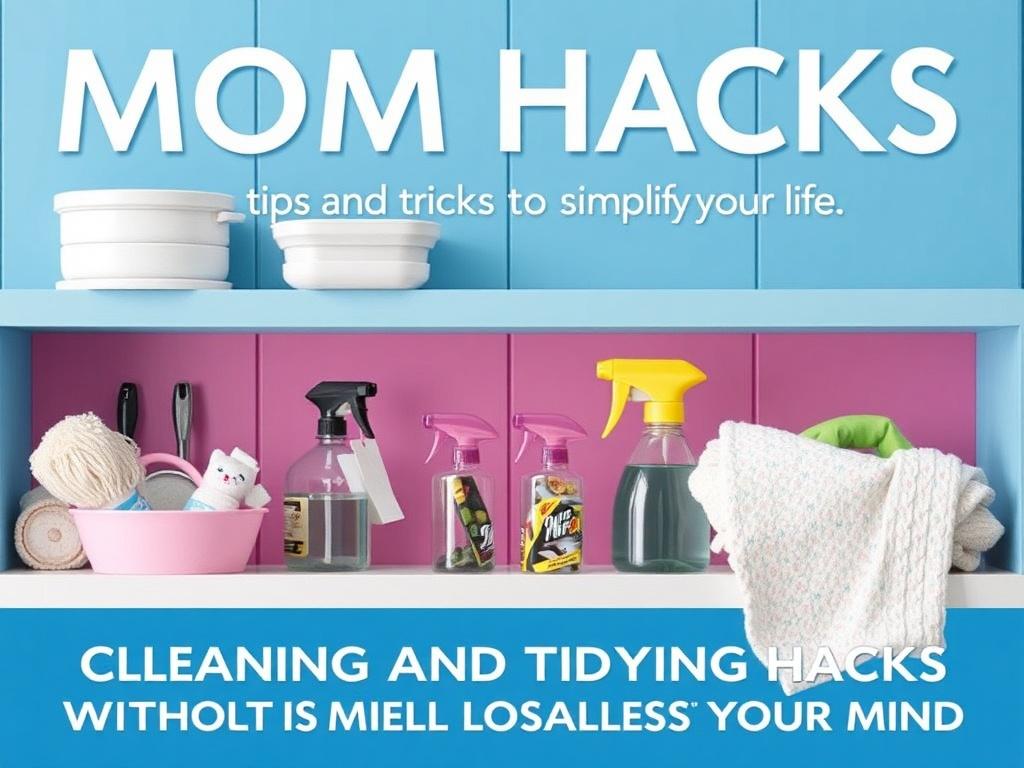
Cleaning becomes less terrible when it’s quick and consistent. Adopt small routines rather than marathon cleaning days. The “10-minute tidy” twice a day is magical: set a timer, and everyone tidies a specific zone. When the timer stops, tasks stop. This prevents clutter from piling up and trains kids to be quick and decisive.
Divide the house into zones and rotate quick deep-cleans. For example, have a “kitchen morning, living room afternoon, bathroom evening” micro-rotation. Keep a small caddy of essential cleaning supplies in each zone for speed. Another excellent hack is spot cleaning: when something spills, clean it immediately instead of letting it set. It’s faster and keeps stains from turning into long battles.
Cleaning checklist example:
– Daily: load or run the dishwasher, wipe counters, sweep high-traffic areas.
– Weekly: vacuum/mop, dust, clean bathrooms.
– Monthly: deep clean appliances, declutter toys, wash windows.
Kid-Friendly Chore System
- Create a visible chore chart with simple tasks and age-appropriate responsibilities.
- Use a rotation or point system so chores feel fair and predictable.
- Offer small rewards like choosing a family movie or extra story time instead of cash for young kids.
Organization and Decluttering: Small Habits with Big Returns
Organization isn’t about perfection; it’s about predictability. Systems reduce friction. Start small by creating landing zones: a family command center near the front door for keys, backpacks, shoes, and permission slips. A wall calendar with color-coded markers for each family member makes scheduling transparent and prevents double-booking.
Labeling is underrated. Use clear bins with labels for toys, crafts, and school supplies. Teach kids the label game—if it’s not in the right bin, you can’t play with it until it’s fixed. It’s tough at first, but soon the house becomes easier to maintain.
Simple declutter method:
– 15-minute purge: pick one drawer or shelf and remove anything broken, unused, or redundant.
– Four-box method: keep, donate, sell, toss.
– Limit new items: one in, one out approach for toys and clothing.
Quick Organization Table
| Area | Simple Solution | Time to Implement |
|---|---|---|
| Entryway | Hooks for bags, shoe tray, labeled cubbies | 30–60 minutes |
| Playroom | Clear bins with picture labels, rotating toy basket | 1–2 hours |
| Kitchen | Drawer organizers, spice rack, meal planning board | 1–3 hours |
Travel and Outing Hacks: Pack Smarter, Not Harder
Leaving the house with kids can make parents feel like ringmasters. Preparation is everything. Create a “go bag” for frequent outings: diapers, wipes, extra clothes, snacks, small toys, and a compact first-aid kit. Keep a second version in the car so you’re always ready.
Packing hack: use packing cubes or separate bags for each child. One cube for clothes, one for toiletries, and one for entertainment. It saves frantic searches and keeps suitcases neat. For road trips, rotate toys so each hour has a “new” item and minimize screen requests by planning audio books or sing-alongs.
Airport or public travel tip: teach kids an “airport routine” (stay close, hold hands, backpack on parent’s back) and use a stroller or child harness for toddlers in crowded places. Bring a small blanket or lovey for quick comfortable naps.
Short Travel Checklist
- Pre-pack go bag and car kit.
- Label luggage with contact info and a fun ribbon.
- Bring a portable charger and ziplock bags for wet clothes or trash.
Saving Money Without Feeling Deprived
Budgeting and saving don’t have to drain joy. A few intentional hacks make a noticeable difference. Meal planning reduces waste and impulse takeout. Establish a “no-spend day” each week where the family enjoys free activities like park picnics or library visits. Cashback apps, coupon stacking, and bulk buying nonperishables when on sale are classic money savers.
Clothing trick: join local swap groups for kids’ clothing. You’ll refresh wardrobes cheaply and sustainably. For toys and books, check community swaps and freecycle-type groups. Teach kids the value of borrowing, trading, and sharing.
A simple budget table to start:
| Category | Target Monthly Spend | Suggestions |
|---|---|---|
| Groceries | $X | Meal plan, bulk cook, use coupons |
| Clothing | $Y | Swap groups, hand-me-downs, buy off-season |
| Entertainment | $Z | Free activities, library, community events |
(Adjust amounts to your budget. The point is to create categories and small goals.)
Time Management Hacks for Moms Who Juggle It All
Time is the truest scarce resource. Start protecting it by blocking out chunks for high-priority tasks and guarding them like a meeting with your favorite person. Time-blocking can be adapted to family life: block family time for mornings and evenings, batch tasks in the afternoon, and save administrative tasks for nap times or school hours.
Use the two-minute rule: if a task takes less than two minutes, do it now. It prevents tiny things from clogging your to-do list. For bigger tasks, break them into 15–30 minute increments. You’d be amazed how many “small wins” you accomplish in half-hour sprints.
Digital calendar hack: color-code family members and set shared reminders for important family tasks (library books due, school events, meal plan days). Syncing schedules reduces mental load and arguments over who’s picking up which child.
Simple Time-Blocking Example
- 6:00–7:00 AM — Personal routine (coffee, quiet, prep)
- 7:00–9:00 AM — Family/morning routine (kids fed, out door)
- 9:30–11:30 AM — Focused work/errands
- 12:00–1:00 PM — Lunch + quick household tidy
- 1:00–3:00 PM — Nap/quiet time or productive blocks
- 3:00–6:00 PM — Kids’ activities + dinner
- 7:00–8:30 PM — Bedtime routine + wind down
Tech and App Hacks That Actually Help
Technology can be a lifesaver or a time-suck. Choose apps that simplify, not complicate. Shared calendar apps, grocery list apps with checkboxes, and meal planning apps that generate shopping lists are practical. Use voice assistants to set timers, add to grocery lists, or check weather before heading out.
Automation hack: set up recurring orders for household essentials—diapers, wipes, cleaning supplies—so you don’t run out. Many retailers offer subscriptions with discounts and flexible delivery intervals.
For younger kids, use parental-control features that set time limits and schedule allowed screen-time blocks. When kids know their screen time is predictable and consistent, they often accept limits with less fuss.
Recommended App Uses
- Shared calendar — coordinate pick-ups and activities.
- Meal planner — plan meals and auto-generate grocery lists.
- Task manager — quick checklists for chores or packing.
- Budgeting app — track expenses and categorize spending.
Emotional Labor and Self-Care Hacks for Moms

Emotional labor—planning, remembering, worrying—is invisible but heavy. Hack away some of that weight by outsourcing mental tasks to simple systems. A family calendar, a shared grocery list, and regular “family meetings” reduce the number of mental notes you have to carry.
Self-care doesn’t require a spa day—though those are lovely. Tiny consistent acts create resilience: five minutes of breathing, reading one page of a book, or a short walk. Protect these small rituals as non-negotiables on your calendar. Ask for help and accept it—friends and family often want to support but don’t know how. Give them specific tasks: “Can you take the kids for an hour Saturday morning?” or “Can you bring dinner Monday?”
A few mindset hacks:
– Delegate: kids can do simple chores; partners can take meaningful responsibility.
– Micro-steps: aim for consistency, not perfection.
– Boundaries: learn to say no to activities that drain you or add undue stress.
Hacks for Different Ages: Babies, Toddlers, School-Age Kids, and Teens
Parenting changes rapidly as kids grow. Tailor your hacks to developmental stages. For infants, create “stations” in key rooms: diapering supplies, burp cloths, and a spare outfit. Sleep-banking is a real thing—prioritize naps and safe sleep routines.
For toddlers, focus on repetition and independence. Lower hooks, easy shoes, and snack stations encourage autonomy. Offer two acceptable choices to reduce power struggles: “Would you like the blue shirt or the red shirt?”
School-age children respond well to systems and predictable rewards. Create a homework zone free of distractions, and practice nightly homework check-ins. For teens, teach life skills with gentle guidance—allow them to budget part of their allowance or manage a grocery list. Let them feel the natural consequences in safe ways.
Quick Age-Based Tips
| Age | Top Hack |
|---|---|
| Infants | Keep essentials in multiple rooms to avoid carrying |
| Toddlers | Use visual routines and choices to encourage independence |
| School-age | Establish a clear homework and activity station |
| Teens | Teach budgeting and scheduling; expect responsibility |
Quick-Fix Hacks: Little Tricks That Make a Big Difference

Some hacks are delightfully tiny but incredibly useful. Here are a few favorites:
– Use a muffin tin to serve snacks—portions are pre-defined and the setup is portable.
– Keep a basket in the car for library books and sports gear so things don’t end up scattered.
– Use shower caddies to store art supplies or small toys; they’re easy to carry between rooms.
– Freeze pancakes or waffles in a single layer; pop in the toaster for instant breakfast.
– For lost shoes, keep a “pair box” by the door for odd shoes; once you find the match, reunite and donate extras.
Portable Snack and Entertainment List
- Non-perishable snacks: dry cereal, nuts (if age-appropriate), granola bars
- Quiet entertainment: sticker books, small puzzles, coloring pads
- Comfort items: small blanket, favorite small toy
How to Involve Your Kids Without Turning Chores Into a Battle
Getting kids to help is not just about reducing your workload; it teaches skills and responsibility. Start small and make chores developmentally appropriate. A toddler can match socks or put toys in bins; older kids can load the dishwasher or prep simple snacks. Use routines and positive reinforcement rather than punishment.
Make chores feel like games or races. Timers, upbeat music, and “beat the clock” challenges turn clean-up into fun. Praise effort specifically—“I love how you put all the blocks back in the bin”—rather than general comments. Consistency matters: if expectations are clear and predictable, kids adapt quickly.
Chore Progression by Age
- 2–3 years: Picking up toys, putting books on shelves
- 4–6 years: Setting napkins, clearing plates
- 7–10 years: Making beds, feeding pets
- 11+ years: Doing laundry, meal prep, lawn care
Emergency and Health Hacks Every Parent Should Know
Being prepared for small emergencies reduces panic. Create a compact first-aid kit and a family medical info sheet with allergies, medications, and pediatrician contact details. Keep emergency numbers on speed dial and teach older kids when to call 911 and how to give location information.
Establish a medicine cabinet routine: dispose of expired medicines promptly and store child-safe locks where needed. For minor cuts and fevers, simple supplies—sterile wipes, bandages, thermometer, fever reducer—are usually enough. For traveling, include copies of medical records and insurance cards.
First-Aid Quick List
- Thermometer
- Sterile gauze and bandages
- Antiseptic wipes
- Basic pain reliever (age-appropriate)
- Allergy medication and epipen if prescribed
Putting It All Together: Building Habits That Stick
The secret to effective mom hacks is consistency and adaptation. Start small: pick three changes to try this week. Maybe it’s the night-before laydown, a snack station, and a five-minute tidy at dinner. Implement them for two weeks and assess. If something isn’t working, tweak it. Celebrate the small wins and remember that routines are living systems—they should evolve as your family’s needs change.
We’re often tempted to overhaul everything at once in hopes of instantaneous perfection. Instead, aim for incremental improvements and generous self-compassion. A house that is “good enough” and a mom who is rested and supported is far healthier than a pristine home with a stressed parent.
Resources and Tools to Make Mom Life Easier
Here’s a compact list of practical tools and resources that many moms find helpful:
- Shared family calendar app (e.g., Google Calendar, Cozi)
- Meal planner and grocery list app
- Subscription services for household essentials
- Local parent swap groups and community Facebook groups
- Library card for free books, movies, and activities
Each tool is only useful if it fits your family’s workflow. Try one new tool at a time, let it become habit, and stop using what doesn’t serve you.
Final Encouragement: You Don’t Have to Do It All
Every mom’s situation is unique—different values, schedules, and support systems. The best hacks are the ones that reduce your mental load and increase joy. Whether you adopt one tip or twenty, focus on things that protect connection and reduce daily friction. Some days will still be messy and overwhelming. That’s normal. These hacks are not cures; they are tools to help you breathe a little easier, reclaim a few minutes of peace, and enjoy more of the moments that matter.
Conclusion
Mom hacks are less about perfection and more about practical systems that reduce stress and free up time for what truly matters: connection, rest, and presence with your children. By introducing simple routines—like night-before prep, snack stations, daily tidies, and small batches of meal prep—you create predictable rhythms that make parenting more manageable. Delegate, automate, and be gentle with yourself as you adopt new habits; consistency beats intensity. Over time, these small changes compound into meaningful relief: fewer last-minute scrambles, clearer schedules, and more space for laughter. Try one or two hacks from this guide this week, adjust them to fit your family, and notice the small but significant differences in your days.